Commoning
What is commoning?
Commoners of the New Forest are people with land or property which attaches one or more rights over the Forest and/or adjacent commons.
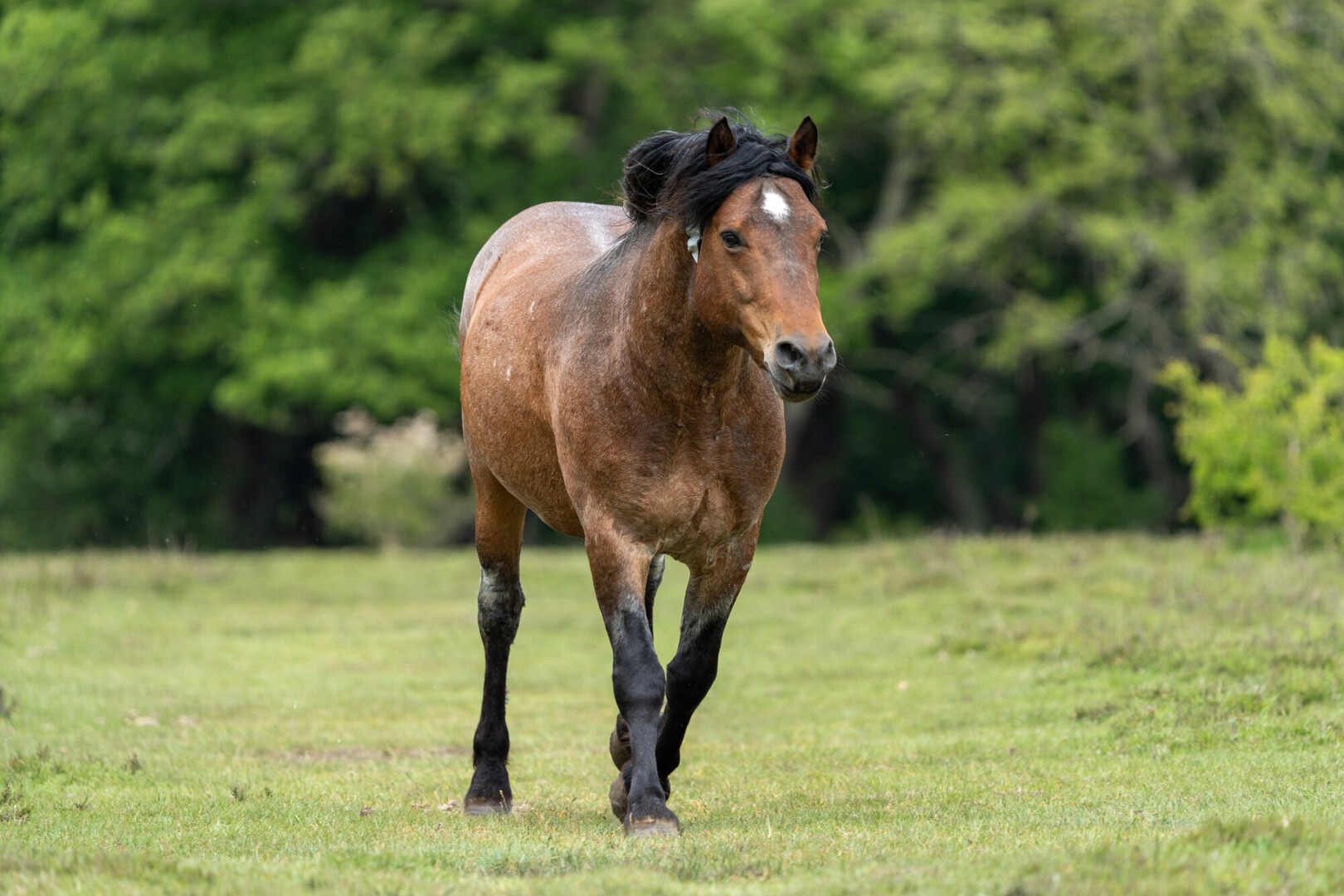
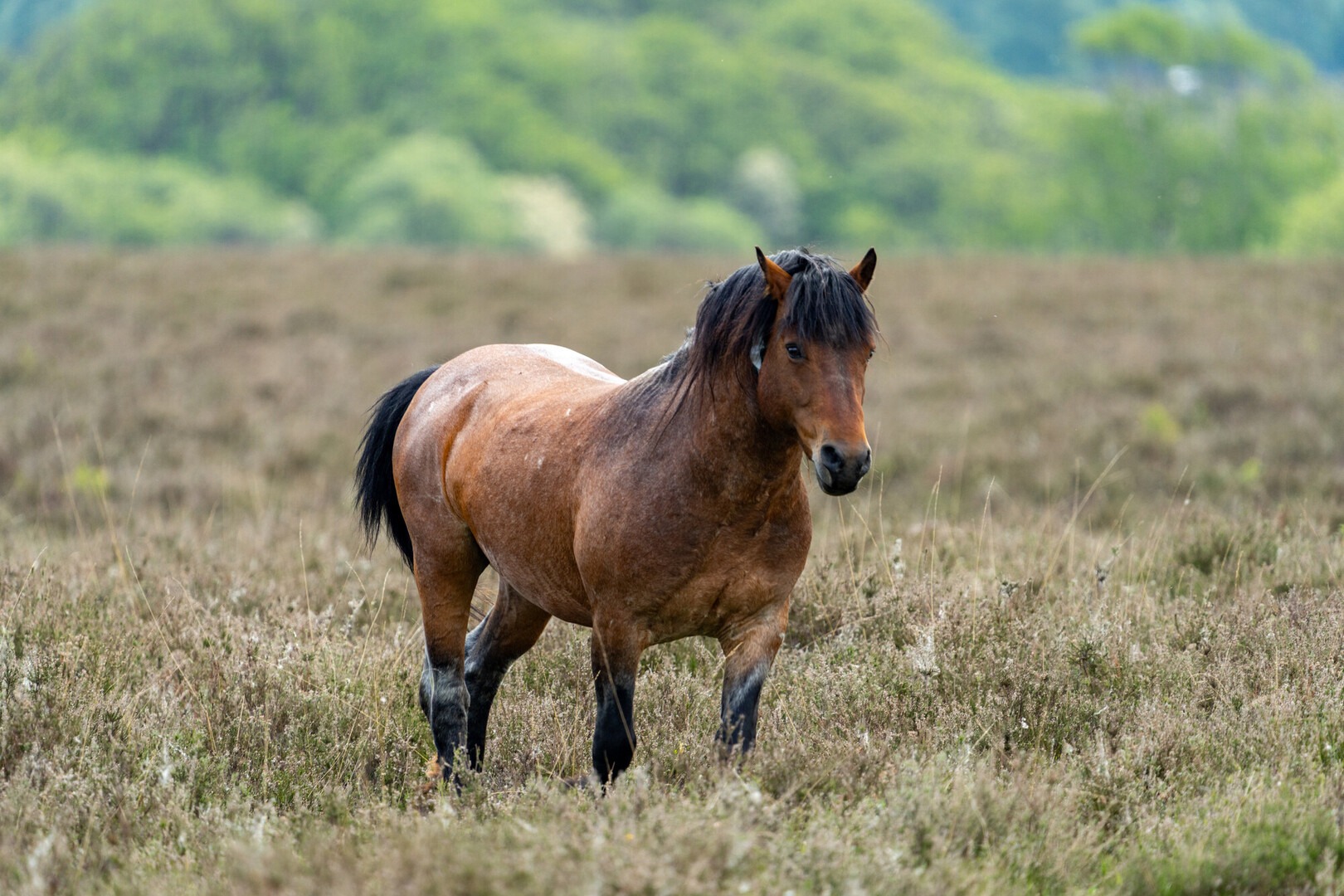
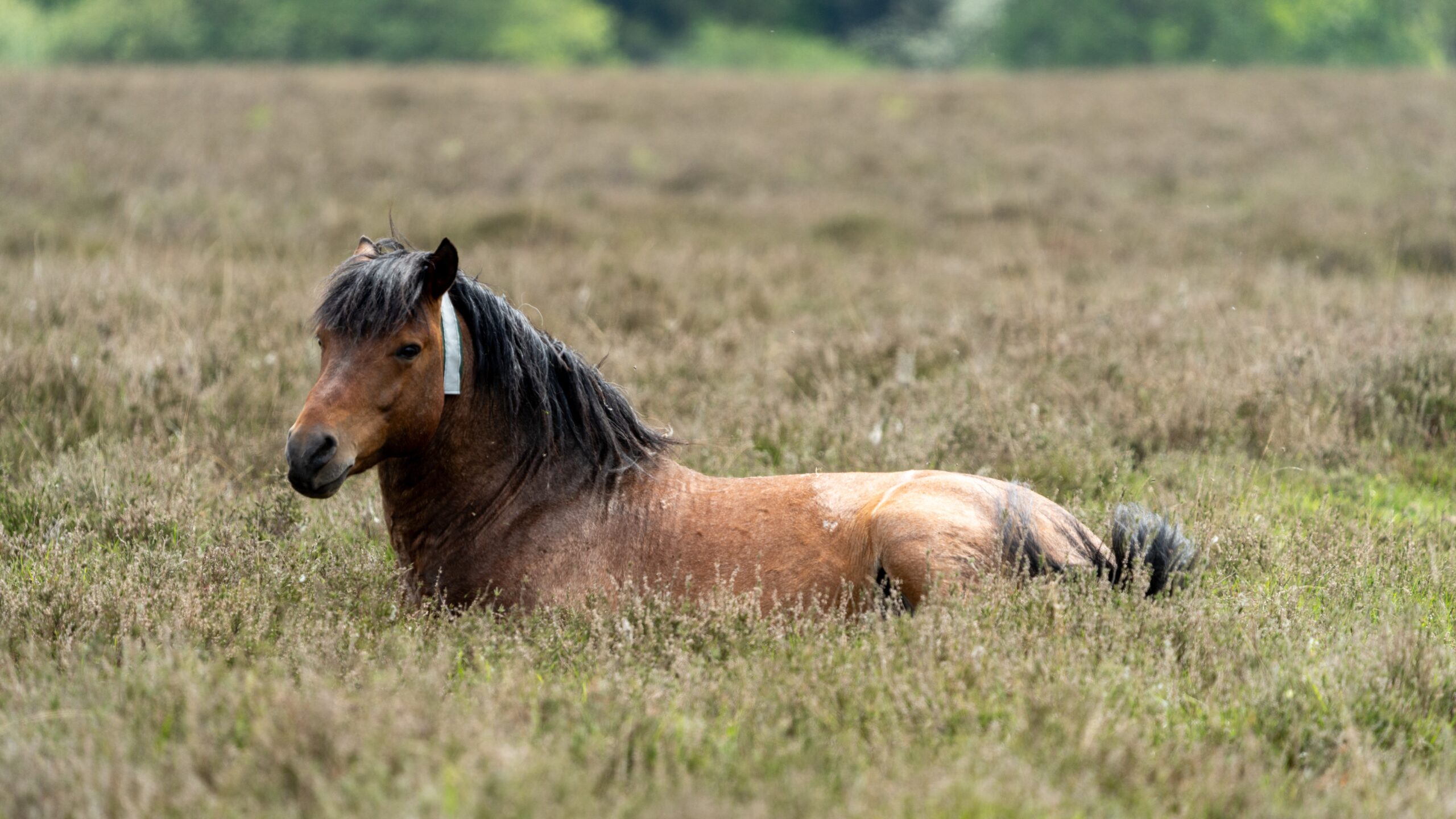
Commoning is extremely important for the environment. The ponies, cattle and deer have shaped the Forest as we see it today. Their browsing and grazing has created the look of the Open Forest lawns and trees. They suppress the brambles, gorse and other coarse vegetation.
The stock is owned by Commoners although many animals are semi feral and rarely handled.
What is the Verderers Grazing Scheme?
Grazing by livestock is essential to support the unique landscape and wildlife found here in the New Forest.
The Verderers Grazing Scheme (VGS) is a system to help Commoners manage their livestock and help them exercise their rights responsibly.
The VGS:
- Issues direct payments to Commoners for depasturing their livestock
- Supports animal welfare and control through the schemes outlined below
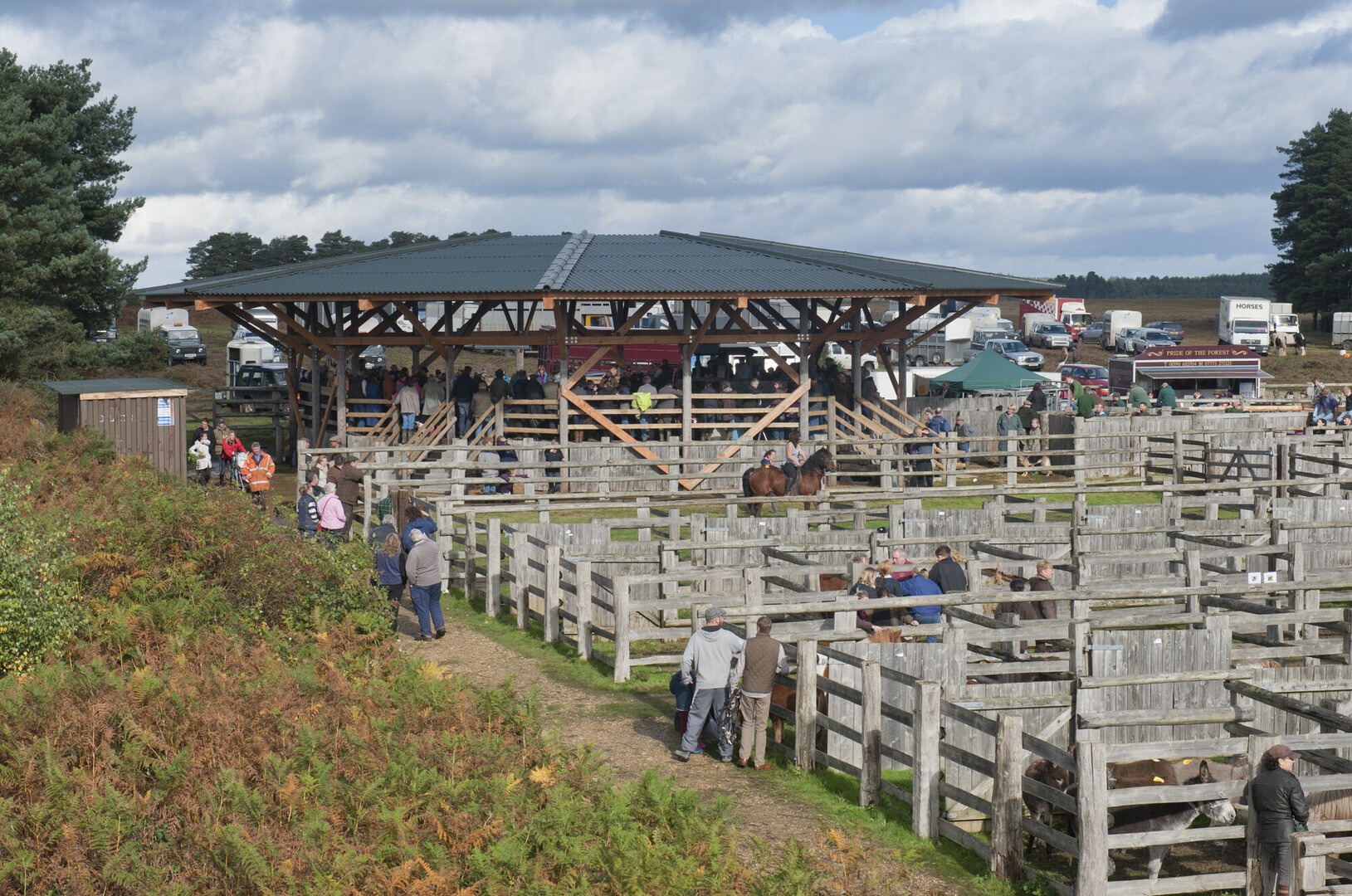
- Funds a programme to rebuild up to for pounds – pens where depastured animals are handled on the Forest – a year, using hardwood as a long-term legacy project
- Funds the replacement of drift fencing to facilitate the rounding up of ponies
- Supports the work of the New Forest Land Advice Service
- Contributes to the cost of reflective collars for ponies and cattle, helping them be more visible to drivers in the dark and thus reducing the number of accidents involving New Forest livestock
- Partly funds the cost of microchipping New Forest ponies when they are sold at Beaulieu Road sales yard (subject to eligibility)
- Issues funding for a small grants scheme to assist Commoners with their commoning businesses
Who are the Verderers?
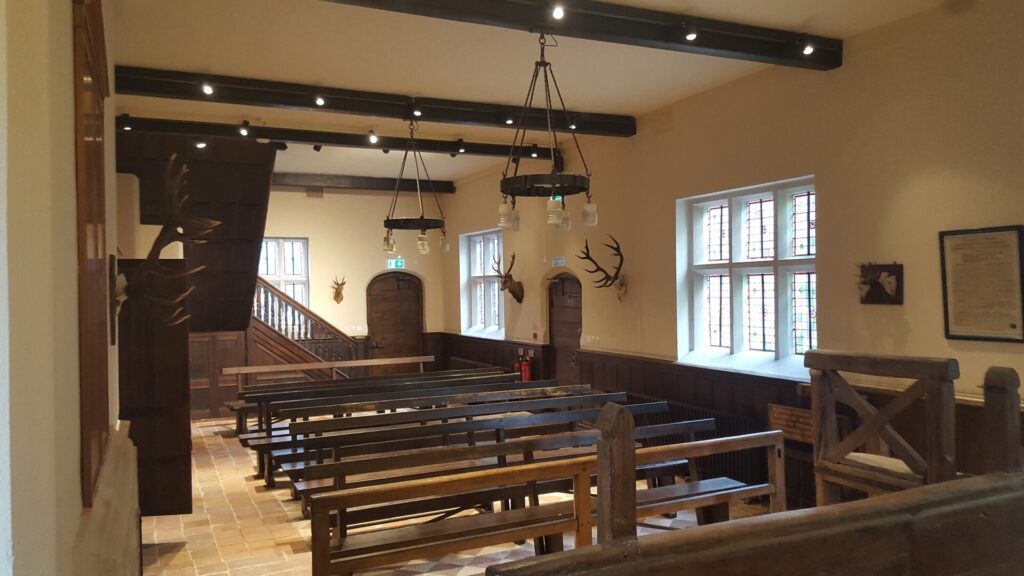
The Verderers of the New Forest are the last remnants of the old form of Forest government.
The 10 officials are responsible for:
- Protecting and administering the unique agricultural commoning practices in the New Forest
- Conserving its traditional landscape, wildlife and aesthetic character, including its flora and fauna, peacefulness, natural beauty and cultural heritage
- Safeguarding a viable future for commoning upon which the foregoing depends
Monthly courts are still opened with a traditional announcement, inviting any Commoner or other person wishing to make a statement or complaint – a ‘presentment’ – on public matters affecting the Forest to come forward.
‘Oyez, oyez! All manner of persons who have any presentment to make or matter or thing to do at this court of Verderers, let them come forward and they shall be heard. God save the King’
The traditional announcement at the start of the monthly Verderers Court
Who are the Agisters?
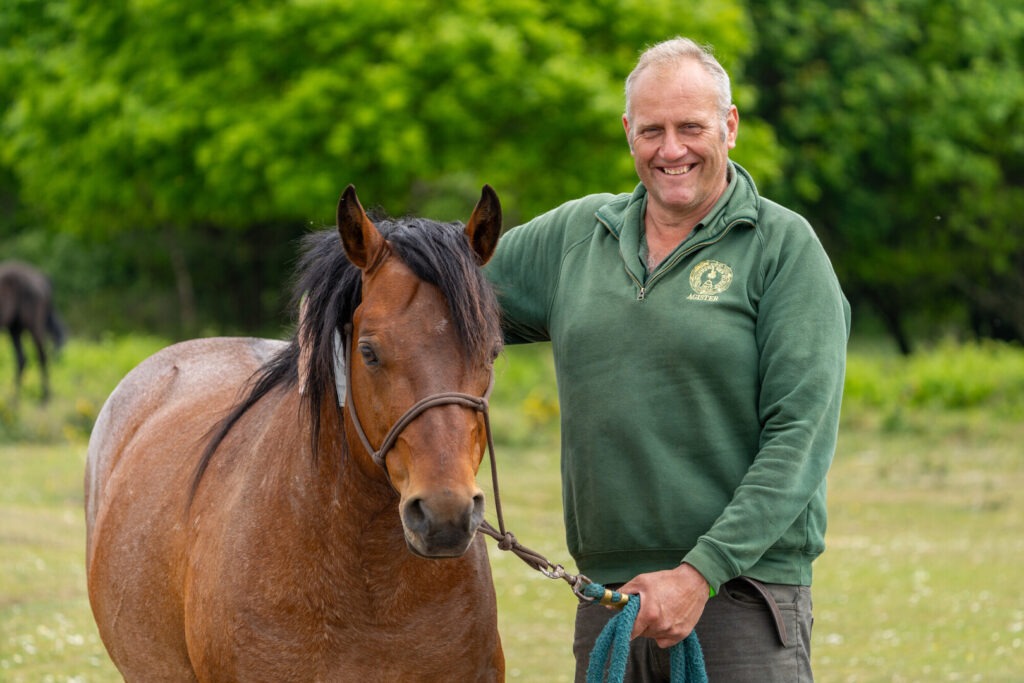
The Agisters are employees of the Verderers.
They assist the Verderers to carry out their duties by:
- Watching over the Forest to ensure owners of depastured stock meet the requirements of the Verderers in respect of stock welfare, payment of marking fees and other matters
- Informing the Verderers of any possible breaches of the byelaws
- Attending road accidents and other incidents involving Forest stock
- Arranging and managing the rounding up of ponies and cattle, especially on the autumn drifts
- Regularly inspecting on foot, by vehicle and on horseback, their area of the Forest and the depastured stock
The Agisters are on call 24 hours a day, seven days a week to respond to any problems involving Forest stock.
Stallion scheme
This scheme manages the selection and number of stallions which run on the Forest each year. This helps to reduce the number of foals born each year and improves the quality of those foals.
Free grazing is provided for up to 30 stallions. These are inspected by five judges, who look at conformation, type and action/movement, as well as bloodlines.
Funding from the VGS supports the grazing land so stallions can be kept off the Forest while still encouraging Commoners to keep some stallions.