Woodlands

It's 22:53 Mainly clear, 6°C
Scroll

New Forest woodlands

The term ‘ancient and ornamental woodlands‘ refers to the many areas of the New Forest that contain a mixture of native trees and bushes, such as oak, beech and holly.

The areas support huge numbers of invertebrates and fungi, as well as bats and bird species such as lesser spotted woodpeckers, goshawks and warblers.

As part of the HLS scheme, Forestry England helps to restore wood pasture by selectively thinning and pollarding trees within these ancient plots.

The work helps to protect the existing veteran trees, while giving new generations of trees enough room to grow and become veterans of the future.

It also provides plenty of open space and light for a wide range of species to develop on the woodland floor.

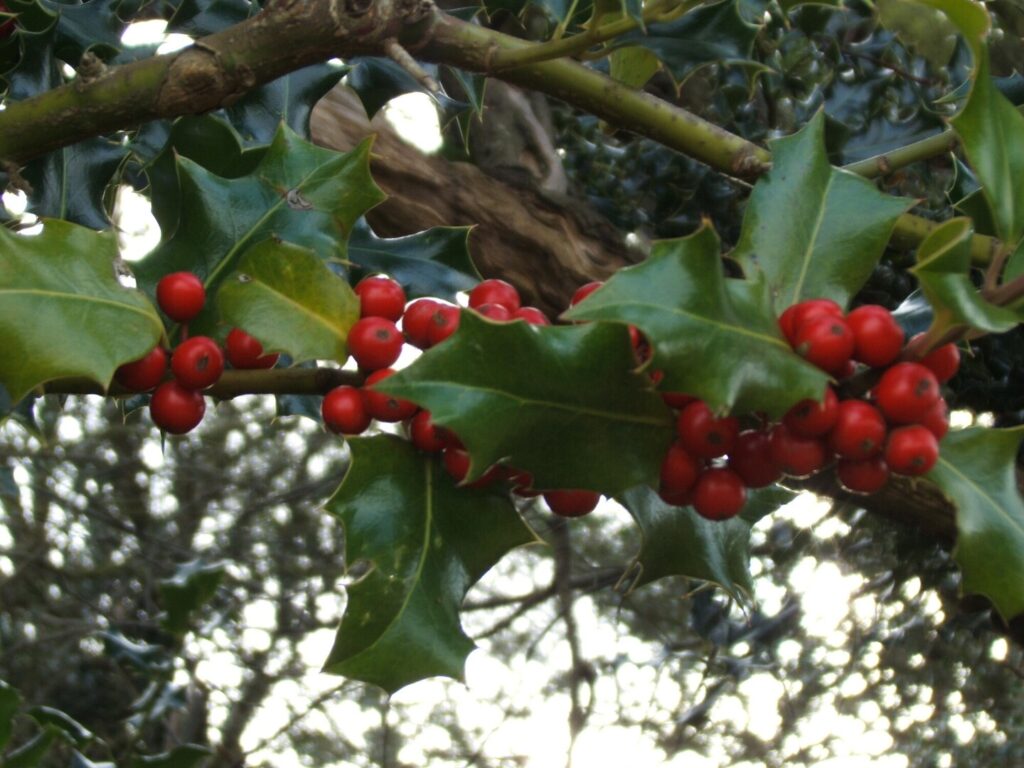
Cluster of bright red holly berries among glossy, spiky green leaves on a branch

Holly cutting

No other woods in the UK or continental Europe are as rich in lichens as the New Forest, and its range is internationally important.

The HLS scheme also supports work to benefit rare lichens that are being shaded by dense holly.

Holly has been cut back at over 20 sites so far to let in more light for the lichens growing on nearby oak and beech trees.