Grasslands
Lost lawns
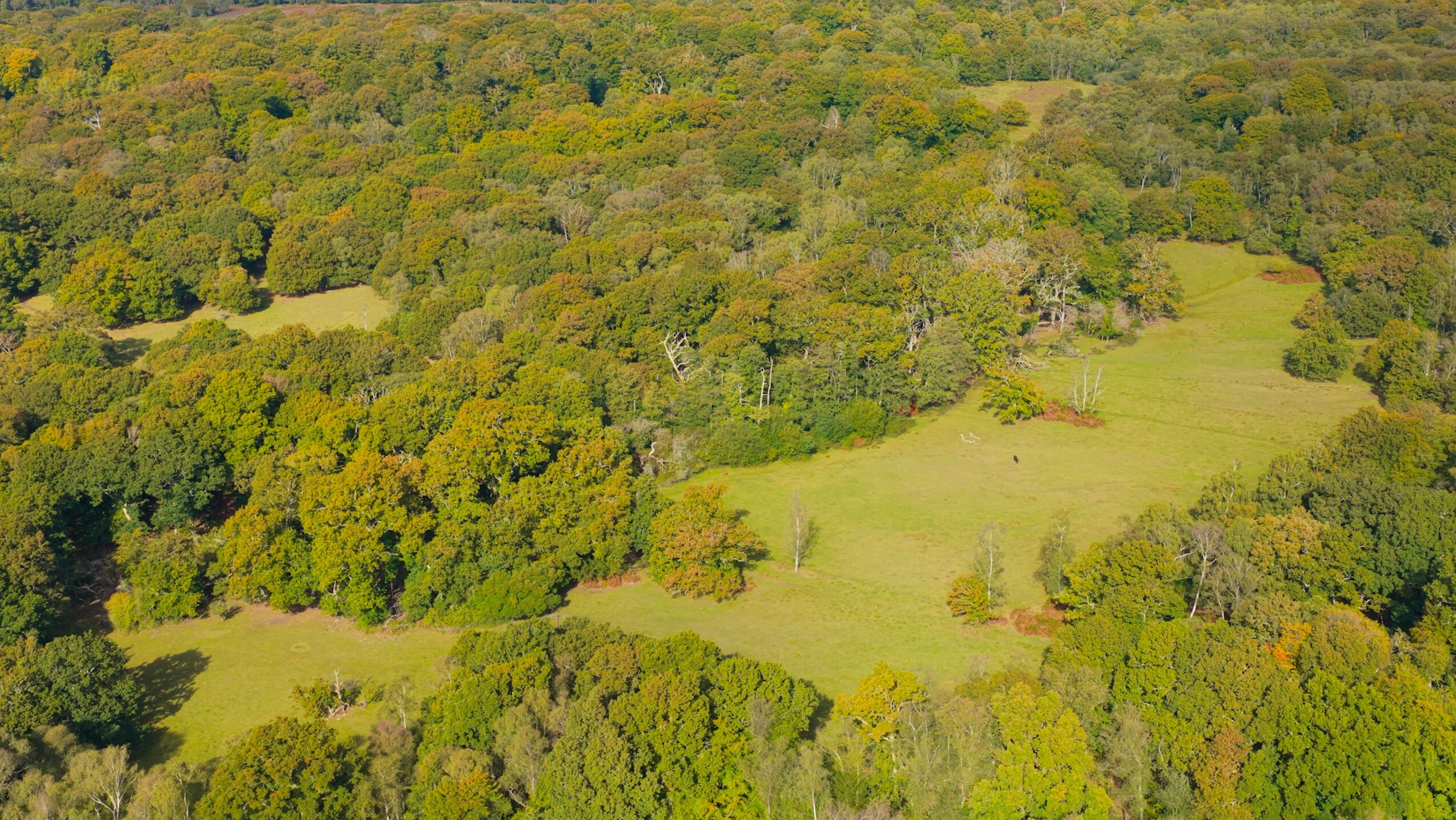
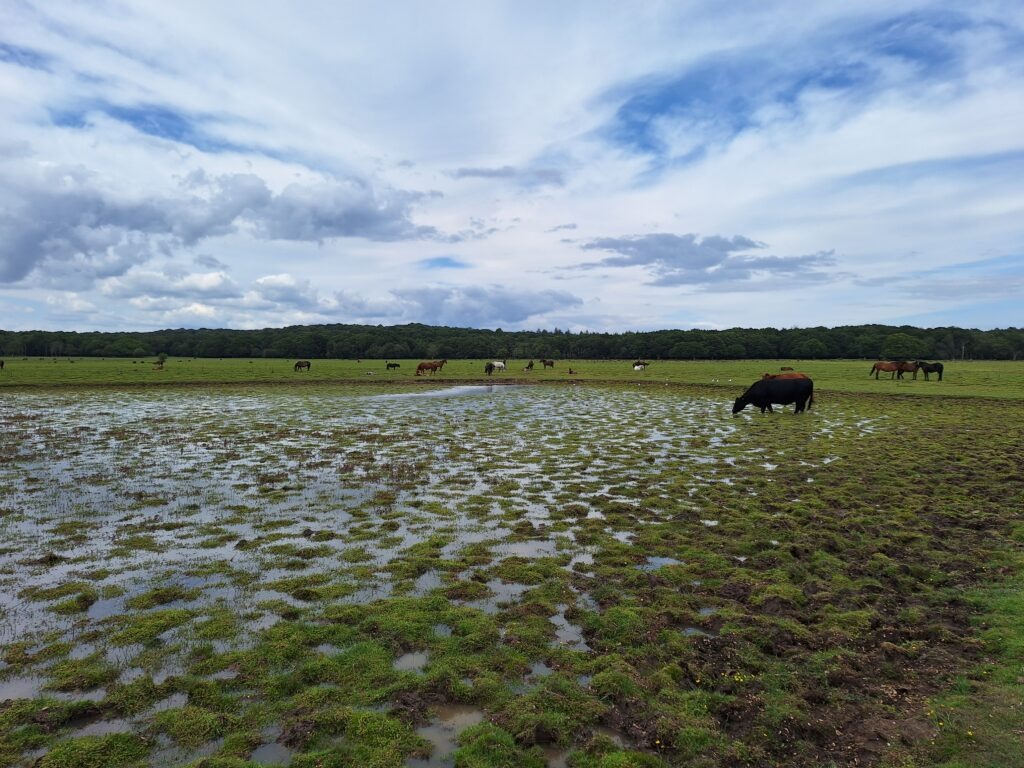
Work is carried out on lawns – a local name for herbaceous rich, wet, acid grasslands within the New Forest – when they have been lost to dense scrub and natural regeneration of woodland.
Lawn restoration work is targeted in areas that will have the greatest benefits for biodiversity.
It includes removing older scrub while leaving younger scrub patches and creating open pasture woodland through landscaping and coppicing.
As part of the HLS scheme, Forestry England has restored more than 30 hectares of ‘lost lawns’ across the open forest, with recent projects taking place at Balmer Lawn, Anderwood Lawn and Stricknage Wood.
Bracken harvesting
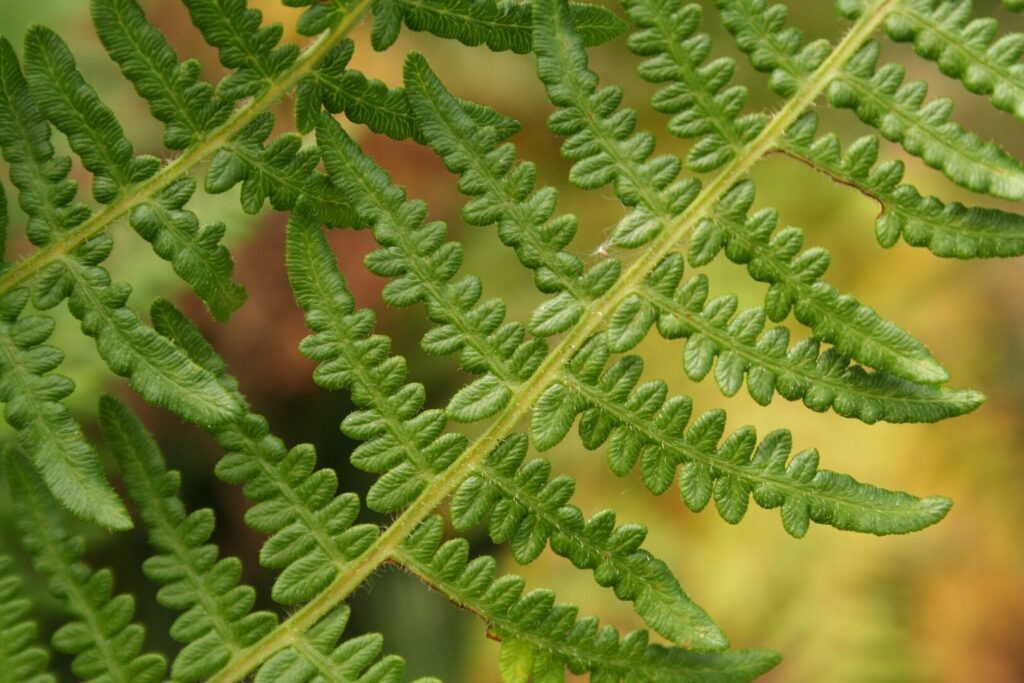
Hundreds of hectares of bracken have been harvested to help restore acid grassland, lawn and some lowland heath habitat.
Bracken is itself a valuable habitat and is relied upon by many species so it is managed in specific areas rather than eradicated completely.
Bracken harvesting is utilised on areas where the thatch has become too dense to allow other species to flourish.
The aim is to restore the natural mosaic of healthy habitats which can maintain themselves with minimal intervention from humans. Excessive build up of bracken litter has a negative impact on habitats causing a decline in the range of species.
The excess litter is taken away and used for compost.