Heritage
What does the HLS archaeology team do?
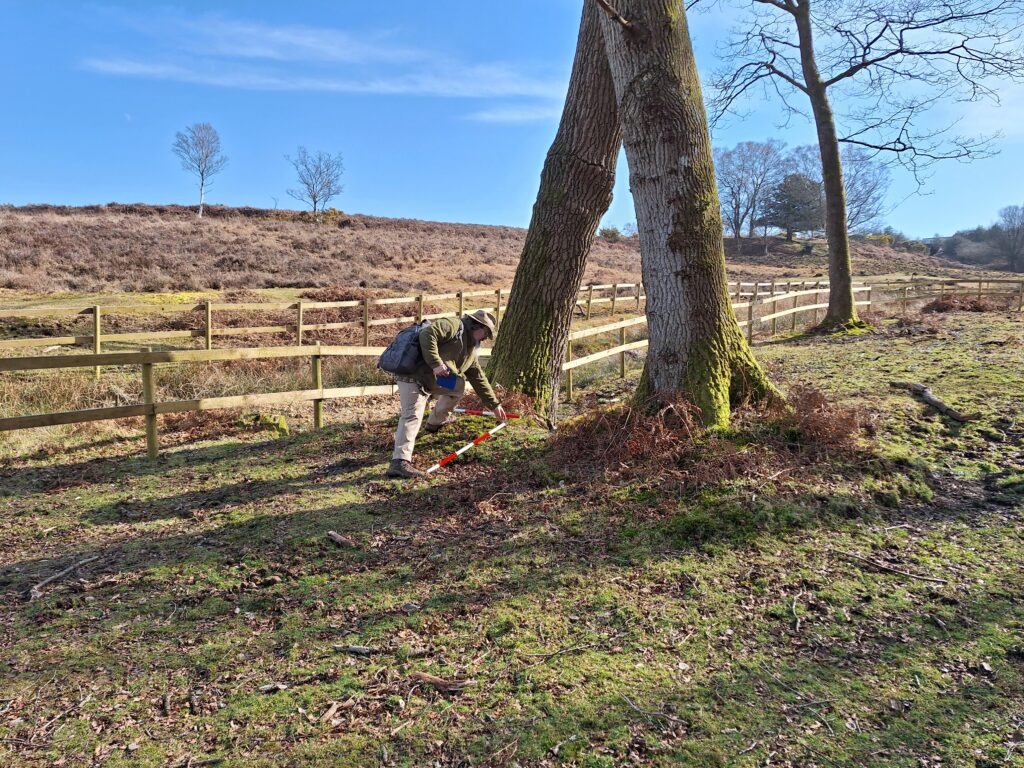
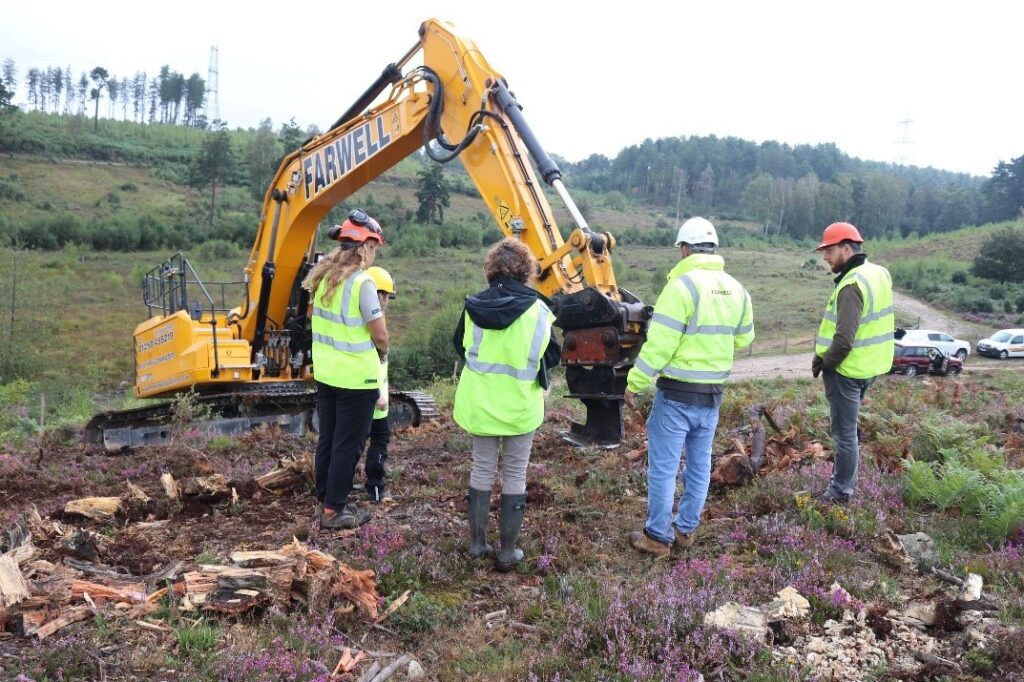
Ahead of restoration projects such as wetland improvements, the archaeology team assesses the known and potential archaeology of the area.
The team can then provide advice on how the work can be done to ensure any buried archaeological deposits are not impacted or damaged, known as preservation in situ.
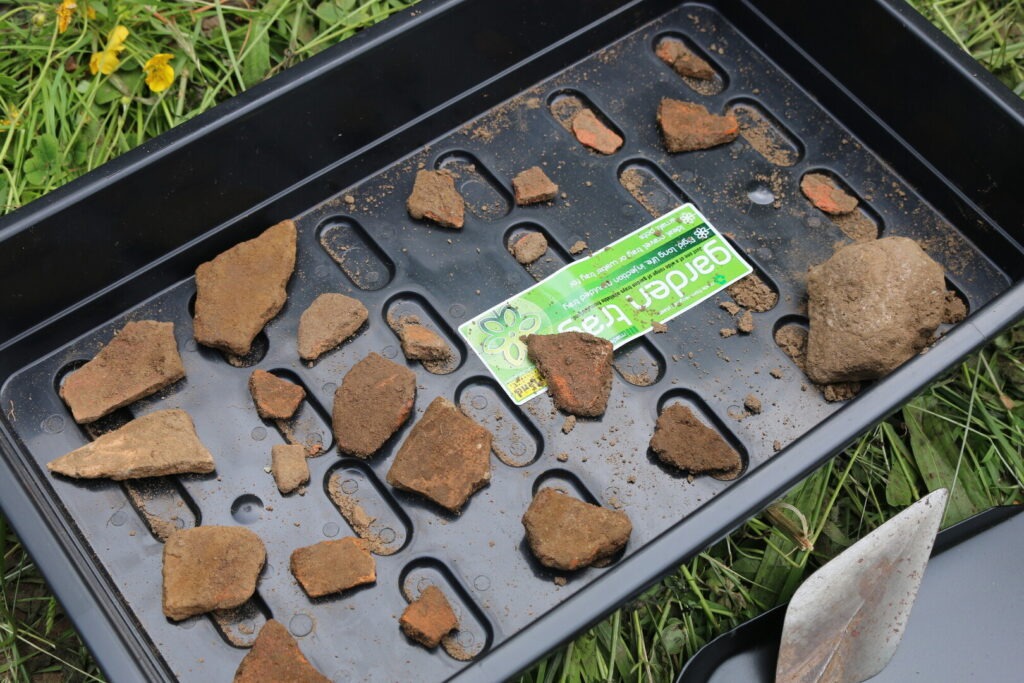
In some cases, the HLS work will involve the removal of, or significant damage to, heritage features. In these rare cases – if approved – archaeologists will survey and record all affected heritage and monitor the work in case of any chance discoveries.
The records and all findings are then deposited with the Hampshire Historic Environment Records (HER), a publicly accessible archive of the county’s heritage.
Why is archaeology important to the New Forest?
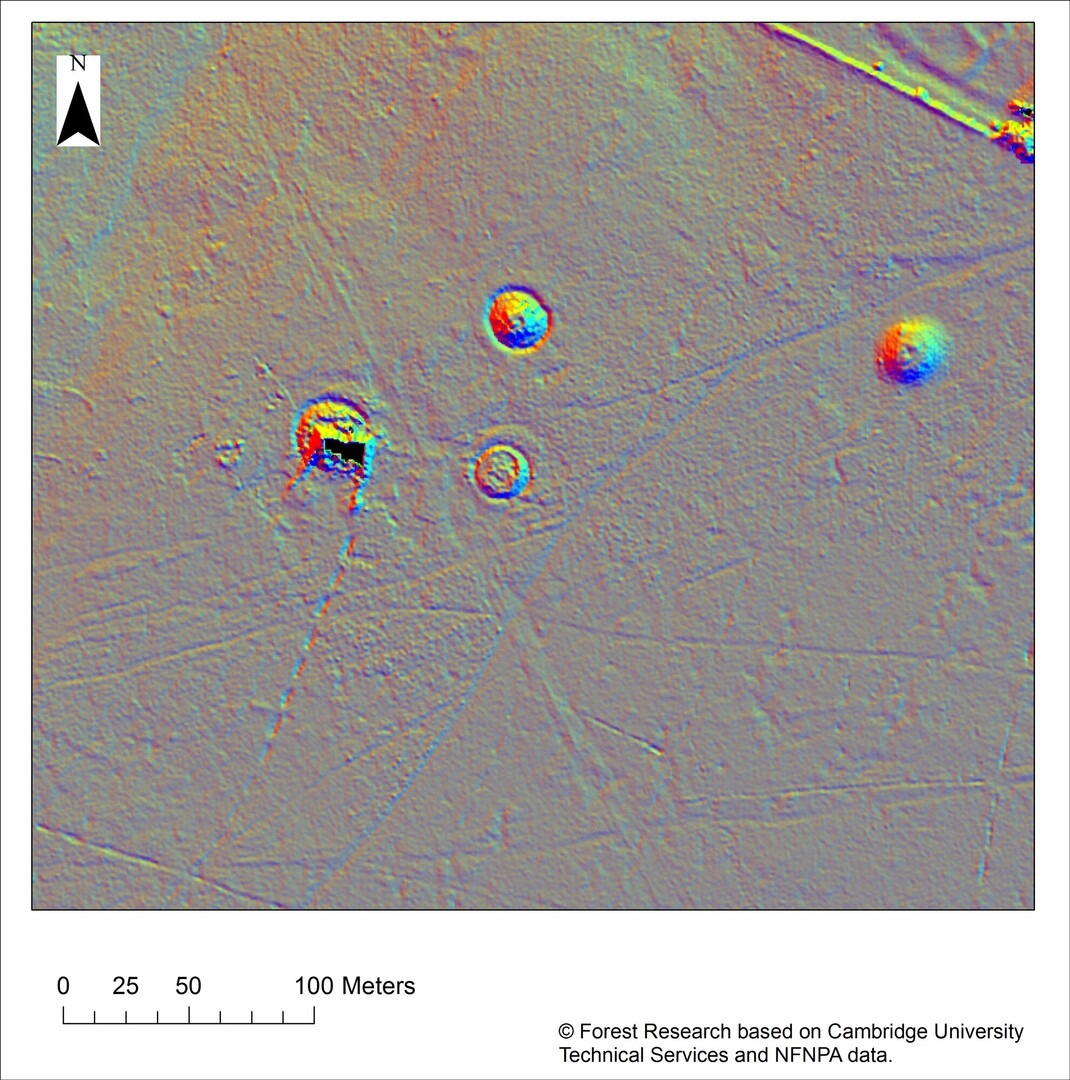
Within the New Forest, there are thousands of heritage sites and features. All of these help inform our understanding and tell the story of how the area was used in the past and how people once lived, worked and played here.
As a result of limited ploughing, development and the way the land has been used and worked, heritage sites and features that don’t survive elsewhere have done so here in certain cases, but they are fragile and easily damaged.
Without careful oversight, features can be lost to root disturbance, erosion or overgrazing, as well as modern pressures such as recreational activities or maintaining existing infrastructure.
HLS funding enables assessments and specific interventions that would otherwise be difficult to undertake at the necessary scale.
It has also supported volunteer involvement and specialist training, helping build a wider understanding of the Forest’s heritage and encouraging responsible stewardship across the community.
What impact does the work have?
The ongoing assessment and recording of our local heritage and the sharing of these findings enables land managers to better care for the New Forest’s heritage, while still delivering habitat and environmental improvements.
By sharing this heritage publicly, archaeologists, historians, researchers and the wider public can freely access the growing archive of history in the New Forest, facilitating ongoing and new research to encourage better connection between people and place.
Archaeological knowledge shapes and informs decisions on how best to manage land, ensures conservation projects and planners take heritage into account, and enhances the overall experience of residents and visitors to the Forest.