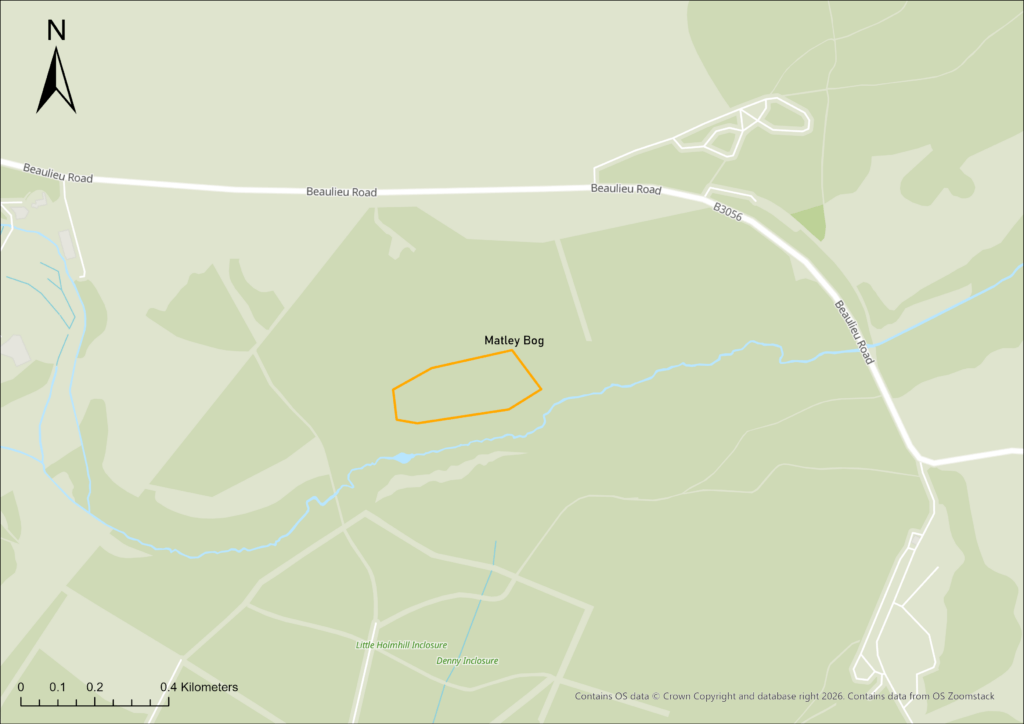
Matley Bog
What were the issues?
This SSSI unit was assessed as being in an unfavourable condition largely in part due to large stands of conifers within the bog habitat and naturally regenerating pine.
Conifers are very thirsty trees and will take up considerable amounts of groundwater, so this will inevitably dry out the incredibly important wetland bog habitat.
This can result in loss of biodiversity and increase in areas of dense bracken dominated dry ground. Invasion of Rhododendron ponticum throughout the bog also contributed to the decline the habitat quality.
Rhododendron will quite quickly take over large areas, out-competing native plants and negatively impacting the soil compositions.
What's being done
Mature conifers were removed during winter, ensuring minimal disturbance to the wildlife inhabiting the area and avoiding bird and reptile breeding season.
The timber was cross-cut to a suitable length for removal in late summer when the ground is drier and any ground disturbance can be avoided.
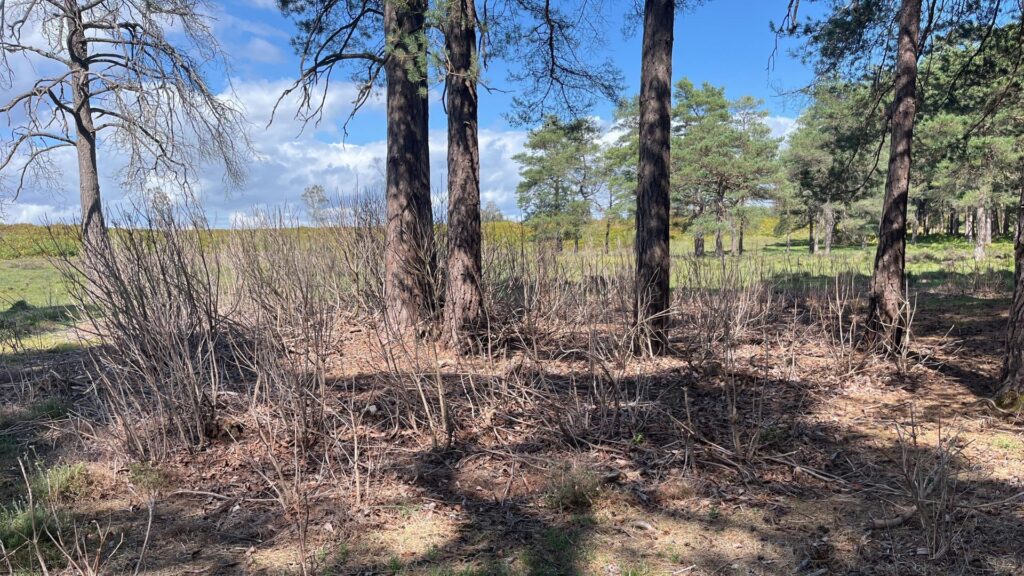
Rhododendron is cut and burnt on site, and any small regrowth is sprayed with a herbicide to ensure complete eradication of the plant on site.
Vegetation surveys and fixed point photographs were used to provide pre and post restoration data.
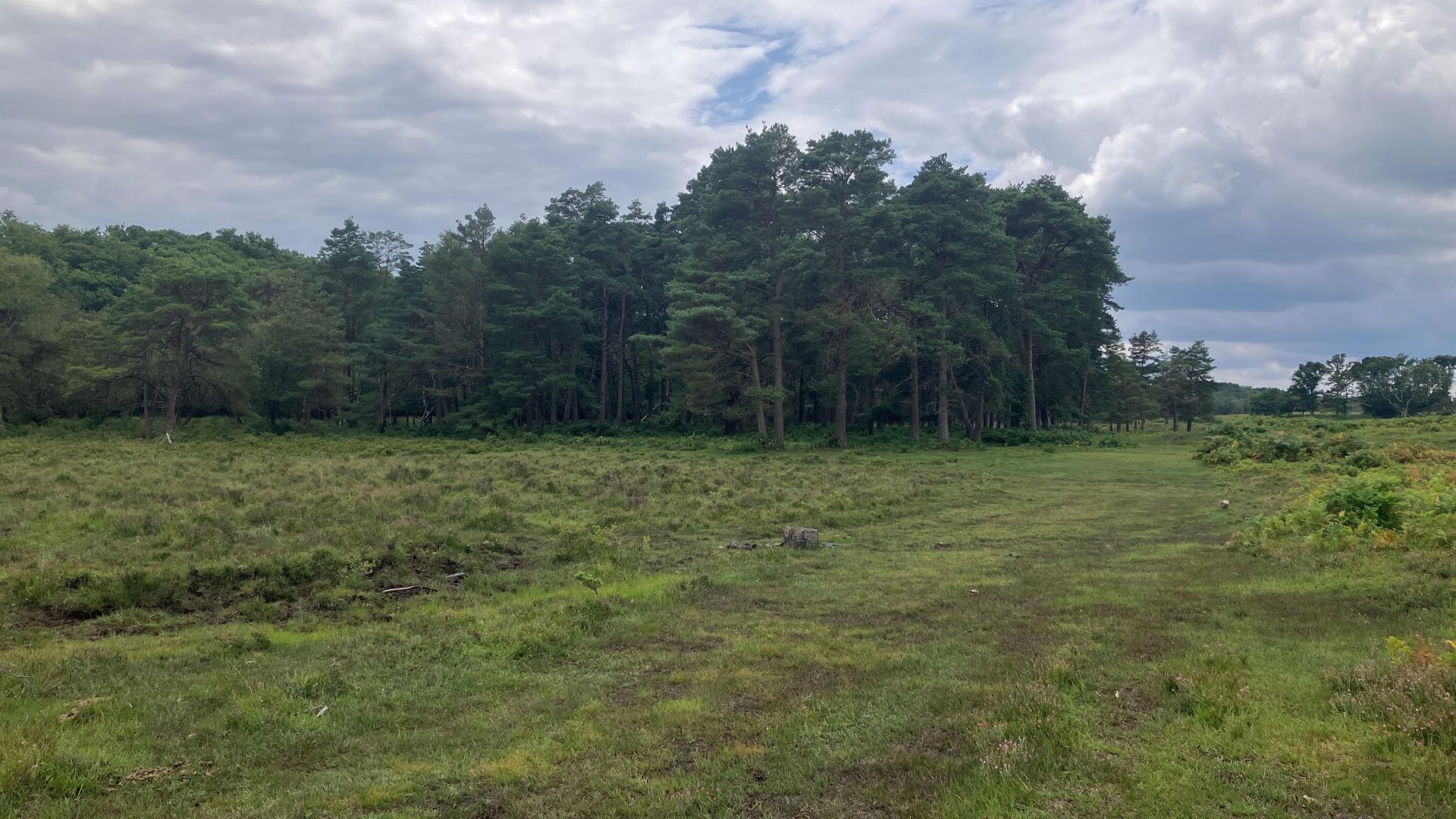
'Restoration projects like this are really motivating as you can see an immediate transformation of the landscape. The natural backdrop of broadleaf native trees along the riverine corridor is now visible and there is a natural transition into the bog habitat'
Rebekah Bisset, HLS habitat restoration officer at Forestry England