Citizen science
What’s in the data?
While interpreting relationships between aquatic invertebrates and river restoration is complex due to various influencing factors like climate variability, research indicates that naturally functioning rivers contain more variable habitats and, thus, support greater species diversity.
Data collected by the volunteers gives a better idea of the different variables impacting their composition and abundance such as restoration work, climatic changes or pollution events.
Wootton
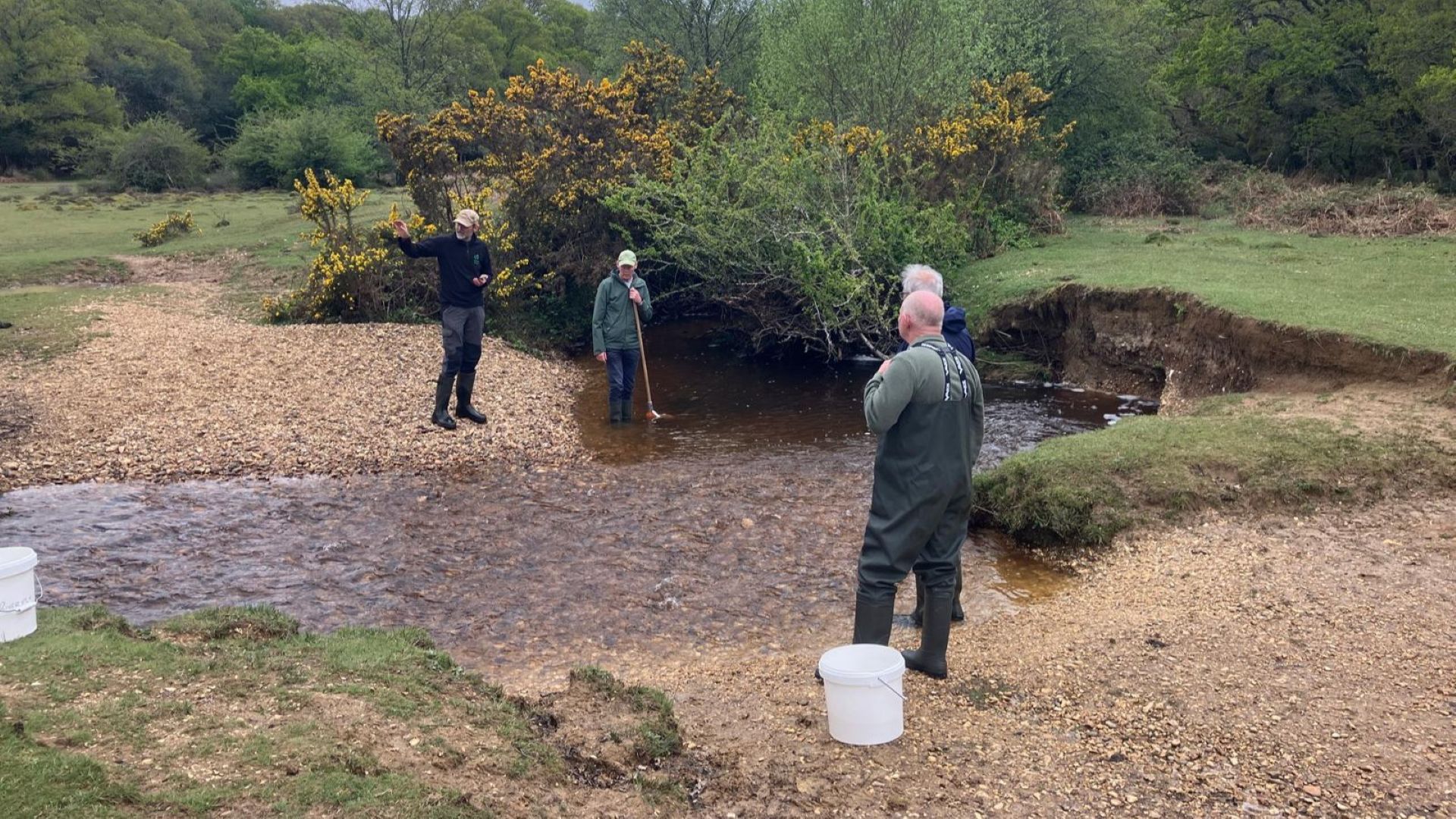
At Wootton riverine woodland, Riverfly data was used to look at how the restoration work impacted the Riverfly survey results.
Little change was found in yearly scores pre and post restoration, but an increased number of recorded groups was detected, possibly indicative of an increase in habitat diversity.